

The Role of Luck in Casino Games
Luck is an undeniable factor in the realm of casino gaming, influencing outcomes in ways that can redefine the player experience. Whether it’s spinning the reels on a slot machine or rolling dice at a craps table, the element of chance plays a central role. Players may meticulously study strategies and analyze odds, but ultimately, the capricious nature of fortune can dramatically sway the results, making each game unpredictable and thrilling. This unpredictability is what attracts many individuals to casinos in the first place, as the potential for an unexpected outcome can elevate the experience to a euphoric level, especially when exploring options like online casino fast withdrawal uk that enhance the excitement.
This excitement is often amplified by the atmosphere within casinos, which are designed to stimulate the senses. Bright lights and engaging sounds create a captivating environment that heightens anticipation. For example, when a player hits a jackpot on a slot machine after a series of losses, it often feels like a stroke of luck—a moment that can transform their experience from mundane to exhilarating within seconds. It’s this blend of chance and environment that keeps players returning, hoping to replicate those high-stakes moments of joy.
Moreover, casinos capitalize on this aspect of luck, creating environments designed to heighten the sense of chance. The ambient noise of cheering players, the thrill of the roulette wheel spinning, and the visual extravagance of the gaming floor all contribute to an atmosphere rife with anticipation. This ambiance enhances the overall experience, reinforcing the idea that luck is not just a factor but a pivotal component of the casino’s appeal. The very design of these spaces encourages players to engage more deeply, fostering a relationship between luck and the sensory experience of gaming.
Luck Versus Skill: Striking a Balance
The ongoing debate of luck versus skill is particularly pronounced in the casino world. While games like poker and blackjack incorporate significant skills, others, such as slots and roulette, rely predominantly on chance. This disparity gives rise to a unique dynamic where players often feel more in control in skill-based games. However, even in these scenarios, luck can take the spotlight, dictating the eventual outcome regardless of a player’s strategic prowess. For instance, a highly skilled poker player might understand the intricacies of betting patterns and bluffing, yet their fate can hinge on the cards dealt during crucial moments.
This realization can be both empowering and frustrating. It underscores the notion that even the most adept players are subject to the whims of luck, showcasing the intricate interplay between these two forces. Players often find themselves caught in a balancing act, honing their skills while acknowledging that luck can still dictate the outcome. This duality keeps players engaged, as they strive to improve while remaining aware that luck can change everything in an instant.
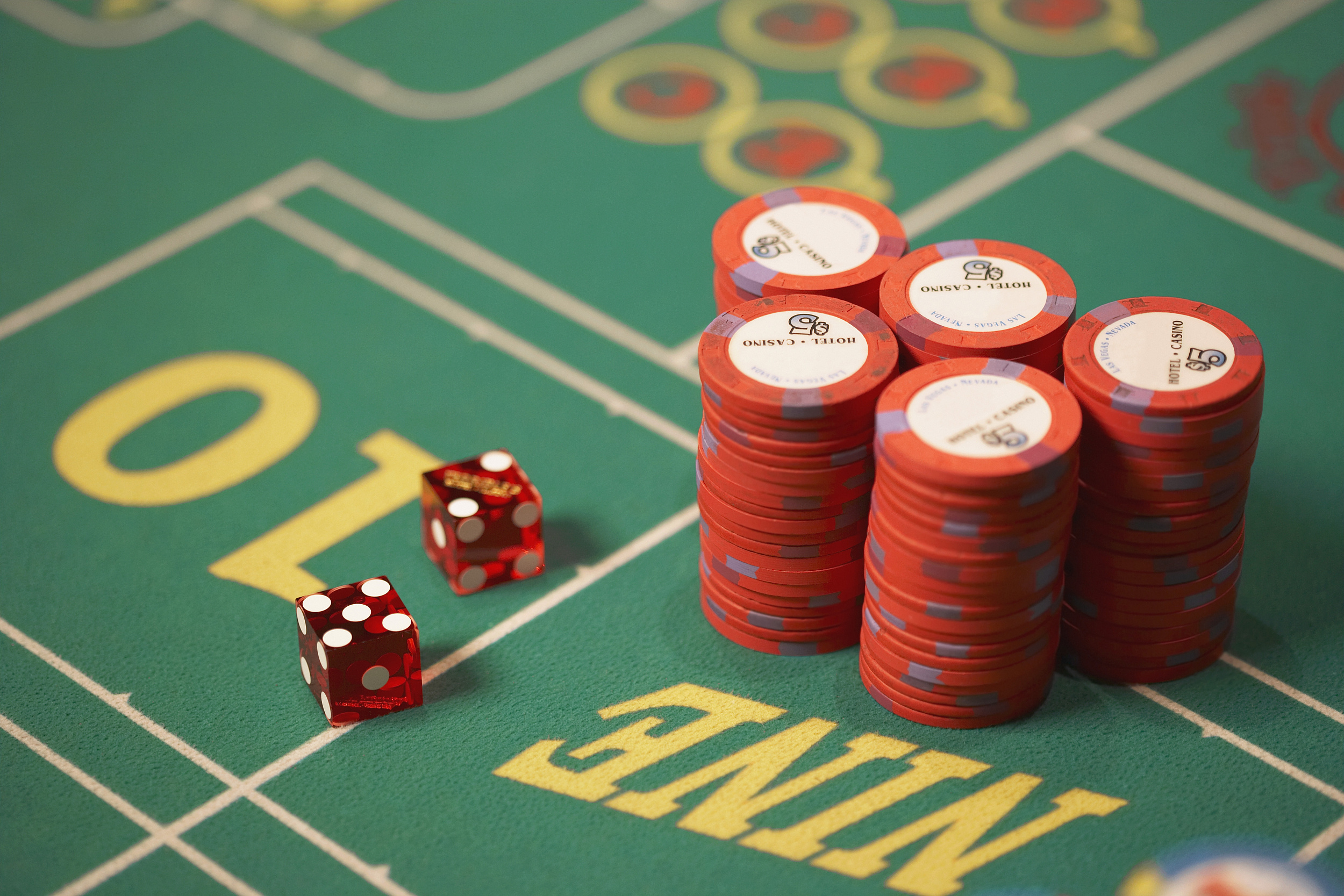
Furthermore, the perception of luck can significantly impact player behavior. A player who feels fortunate may take risks and gamble larger amounts, driven by the belief that their luck can carry them through. Conversely, if a player feels unlucky, they might play conservatively or even walk away altogether. This psychological aspect of luck can easily alter the trajectory of a gaming session, leading to varied experiences among players. Understanding this dynamic helps players navigate their emotions and decision-making processes in a highly charged gaming environment.
The Impact of Luck on Player Emotions
Luck inherently influences the emotional landscape of players in a casino. The thrill of winning can evoke feelings of joy, empowerment, and exhilaration, while losing streaks may lead to frustration or disappointment. This emotional rollercoaster is a fundamental aspect of gaming, affecting how players engage with both the games and the casino environment. A single lucky hand in a game of blackjack can alter not just the player’s financial status but also their mood and confidence levels, creating a ripple effect that impacts their overall experience.
Additionally, the impact of luck extends beyond personal emotions; it can also create a shared experience among players. Witnessing someone else’s fortunate win can spark camaraderie, as players often celebrate together, fostering a sense of community. These shared moments of luck can enhance the overall experience, making players feel connected to one another as they navigate the highs and lows of their gaming adventures. This social aspect of luck plays a crucial role in enhancing the atmosphere within the casino, transforming individual experiences into collective celebrations.
Moreover, how players react to luck—both good and bad—can influence their future behavior at the tables. Those who experience a string of good luck may feel emboldened, leading them to increase their bets or try new games, while those who encounter a bad run might choose to withdraw or play more cautiously. This ebb and flow of emotions, intertwined with luck, is what makes the casino experience both unique and unpredictable. The ability to manage these emotions can determine whether a player has an enjoyable experience or one marred by frustration.
Strategies to Manage Luck in Casinos
While luck is often seen as the uncontrollable force in casino gaming, players can adopt strategies to help manage their experiences. Setting a budget before entering a casino is one effective approach. Knowing how much money one is willing to spend can prevent excessive losses and foster a more enjoyable gaming atmosphere. Establishing limits encourages players to focus on enjoying the games rather than succumbing to the ups and downs of luck. This practice also helps in fostering a more responsible gambling mindset.
Moreover, players can choose their games wisely based on their understanding of odds and payout structures. Engaging with games that have a lower house edge can enhance the possibility of favorable outcomes, even if luck is still a factor. This can empower players by giving them a sense of agency within a realm that is predominantly governed by chance, allowing them to strategize their approach while acknowledging the unpredictable nature of luck. Knowledge becomes a player’s ally in navigating the casino landscape.
Lastly, managing one’s mindset is crucial in navigating the influence of luck in casinos. Recognizing that losses are a part of the gaming experience can help players maintain a healthier emotional outlook. By focusing on the enjoyment of the game rather than solely on winning, players can cultivate a more balanced relationship with luck, allowing them to enjoy their time at the casino without being overwhelmed by the results of chance. This perspective transforms the gaming experience from a focus on outcomes to one of enjoyment and engagement.
The Casino Experience: More than Just Luck
While luck undoubtedly shapes the casino experience, it is essential to recognize that it is just one piece of a larger puzzle. The ambiance, social interactions, and variety of games all contribute to what makes the casino environment engaging. Players come not only for the thrill of chance but also for the memories created with friends and strangers alike while enjoying their favorite games. The sense of community and shared experiences often outweigh the results of individual games, highlighting the multifaceted nature of casino enjoyment.
Furthermore, casinos often offer a wide array of amenities that complement the gaming experience. Dining options, entertainment shows, and lounges further enhance the overall atmosphere, creating a holistic experience that transcends mere luck. Players often find that the excitement of the casino isn’t solely reliant on wins and losses but is also about the memories made and the enjoyment of the atmosphere. Engaging with the broader offerings of a casino can elevate a simple gaming session into a memorable outing.
Ultimately, while luck serves as a critical factor influencing a player’s experience, it intertwines with various elements that enhance the overall appeal of casinos. Understanding this multifaceted relationship allows players to appreciate their time at the casino more fully, embracing the thrill of chance while enjoying everything else the gaming environment has to offer. By recognizing that luck is just one part of the casino experience, players can cultivate a richer and more rewarding engagement with their gaming adventures.